
Blog
Why Pindhuset Matters: Benefits, Uses, Trends, and Future Potential

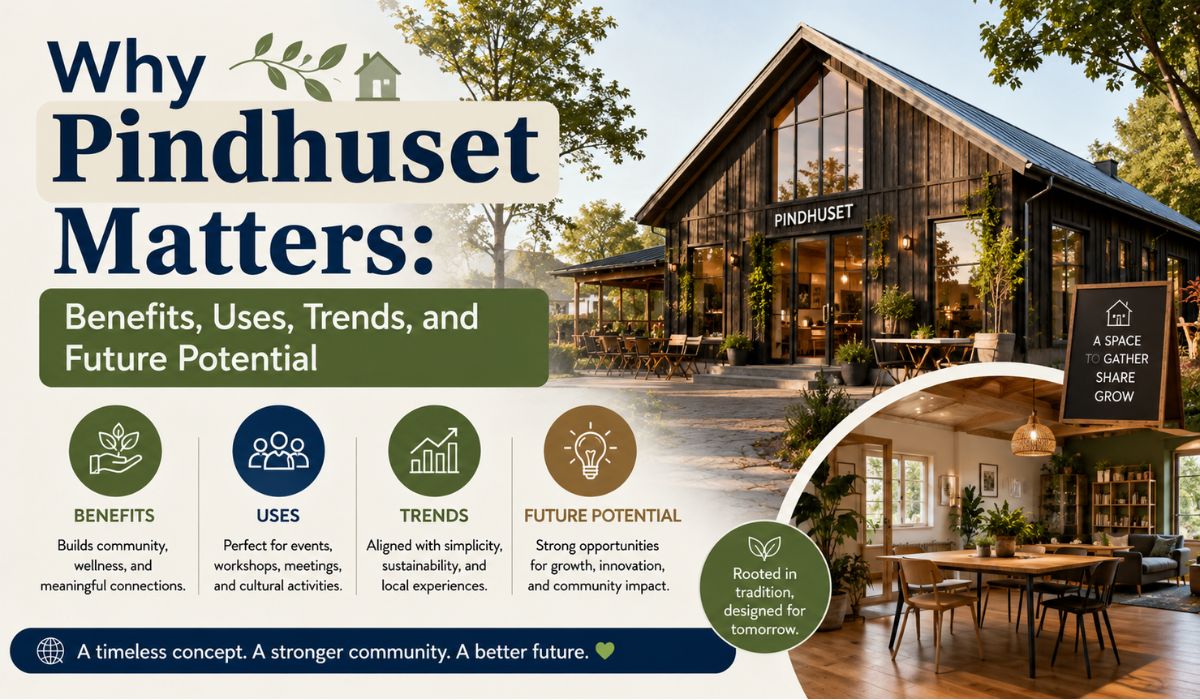
Pindhuset is a term that attracts attention because it connects culture, community, design, and practical living in one simple idea. For many readers, Pindhuset may sound unfamiliar at first, but its meaning becomes clearer when viewed through the lens of shared spaces, Nordic-inspired simplicity, and local identity. In a world where people are searching for meaningful places to gather, work, learn, and connect, Pindhuset represents more than a name. It reflects the growing value of spaces that feel useful, warm, and connected to everyday life.
What Is Pindhuset?
Pindhuset can be understood as a community-centered place or concept shaped by simplicity, purpose, and human connection. It is often associated with Danish or Nordic-style thinking, where design is not only about appearance but also about usefulness. A Pindhuset-style space may serve as a small gathering house, cultural room, local meeting point, creative venue, or lifestyle-inspired place where people come together. Its value comes from function, atmosphere, and the experience it creates for users.
Why Pindhuset Matters Today
Pindhuset matters because modern life often feels fast, digital, and disconnected. People need real spaces where conversations happen naturally, traditions can be shared, and communities can stay active. The idea behind Pindhuset supports this need by focusing on belonging, comfort, and practical use. Whether someone sees it as a cultural space, a design idea, or a local hub, Pindhuset highlights the importance of environments that bring people closer instead of pushing them apart.
The Cultural Meaning of Pindhuset
The cultural meaning of Pindhuset is tied to the idea of shared identity. In many communities, small gathering spaces become places where stories are passed down, events are celebrated, and relationships grow stronger. Pindhuset fits this pattern because it suggests a space with emotional and social value. It can represent heritage, local memory, and the quiet traditions that shape everyday life. This makes it especially meaningful for people interested in Nordic culture, Scandinavian living, and community-based design.
Key Benefits of Pindhuset
One of the biggest benefits of Pindhuset is its flexibility. A space inspired by this concept can support meetings, workshops, family events, cultural programs, learning sessions, and small celebrations. Another benefit is its ability to make people feel welcome. Instead of feeling formal or overwhelming, Pindhuset-style spaces often focus on comfort, warmth, and simplicity. This makes them useful for both personal and community needs, especially in places that value social connection and practical design.
Common Uses of Pindhuset
Pindhuset can be used in many ways depending on the setting. In a community context, it may work as a meeting hall, activity space, local event room, or cultural center. In a lifestyle or design context, it may represent a simple and thoughtful environment built around comfort and purpose. Businesses, small organizations, and local groups can also use the Pindhuset idea to create welcoming spaces for customers, members, or guests. Its strength is that it adapts to different needs without losing its core meaning.
Pindhuset and Nordic-Inspired Design
Pindhuset connects naturally with Nordic-inspired design because both value simplicity, natural materials, clean layouts, and useful spaces. Scandinavian design is often admired in the U.S. because it avoids clutter and focuses on calm, livable beauty. A Pindhuset-style environment may include wood textures, warm lighting, open seating, soft colors, and practical furniture. The goal is not luxury for show. The goal is comfort, balance, and a space that people actually enjoy using.
Pindhuset as a Community Hub
A strong community needs places where people can meet face to face. Pindhuset can serve that purpose by acting as a small but meaningful hub for local life. It can host conversations, planning sessions, seasonal events, creative classes, and neighborhood gatherings. This kind of space helps reduce isolation and supports stronger relationships. For U.S. communities, the concept is especially useful because many neighborhoods are looking for better ways to rebuild local connection and shared participation.
Modern Trends Around Pindhuset
Current trends make Pindhuset even more relevant. People are showing more interest in slow living, sustainable design, cultural preservation, cozy interiors, and local experiences. Instead of large, impersonal spaces, many prefer smaller places that feel authentic and human. Pindhuset fits this shift because it combines function with feeling. It also aligns with trends such as community wellness, flexible venues, local tourism, creative workshops, and heritage-inspired architecture.
Future Potential of Pindhuset
The future potential of Pindhuset is strong because its core idea can grow in several directions. It can inspire community centers, boutique hospitality spaces, cultural venues, lifestyle brands, rural tourism projects, and modern gathering rooms. As more people look for spaces that feel personal and purposeful, Pindhuset can become a useful model for design and community planning. Its future value depends on how well people preserve its meaning while adapting it to modern needs.
Why Pindhuset Appeals to U.S. Readers
For a U.S. audience, Pindhuset is appealing because it offers a fresh way to think about space, comfort, and connection. Many Americans are interested in Scandinavian lifestyle ideas such as hygge, minimalism, wellness, and functional design. Pindhuset fits into that interest while adding a stronger community angle. It is not only about how a place looks. It is about how a place works, how it feels, and how it helps people spend better time together.
Final Thoughts
Pindhuset matters because it brings together benefits, uses, trends, and future potential in a way that feels practical and meaningful. It represents the lasting importance of shared spaces, thoughtful design, cultural connection, and simple living. Whether understood as a community concept, a Nordic-inspired place, or a flexible lifestyle idea, Pindhuset offers a valuable lesson: the best spaces are not always the largest or most expensive. They are the ones that help people feel connected, comfortable, and part of something real.
Frequently Asked Questions (FAQs)
1. What does Pindhuset mean?
Pindhuset generally refers to a community-focused or Nordic-inspired space connected with gathering, culture, and simple living. Its meaning can vary, but it is often linked with comfort, usefulness, and local identity.
2. Is Pindhuset a real place or a concept?
Pindhuset can be discussed as a concept, a style of shared space, or a place-based idea. Some searches may also overlap with similar names, so context is important when understanding the term.
3. Why is Pindhuset important?
Pindhuset is important because it highlights the value of human connection, practical design, and community life. It reminds people that meaningful spaces can improve daily experiences.
4. What are the main benefits of Pindhuset?
The main benefits include flexibility, comfort, community support, cultural value, and practical use. It can serve different purposes while still feeling warm and welcoming.
5. How can Pindhuset be used?
Pindhuset can be used for meetings, workshops, events, cultural activities, family gatherings, creative sessions, and local programs. Its flexible nature makes it useful in many settings.
6. Is Pindhuset connected to Nordic design?
Yes, Pindhuset is often connected with Nordic-inspired values such as simplicity, natural materials, clean design, comfort, and practical living. These qualities make the concept easy to understand and apply.
7. Why are people searching for Pindhuset?
People may search for Pindhuset to understand its meaning, uses, design value, cultural background, or connection to community spaces. Some may also be exploring related Danish or lifestyle topics.
8. What is the future potential of Pindhuset?
The future potential of Pindhuset includes community planning, cultural tourism, interior design, lifestyle branding, and flexible event spaces. Its focus on connection and simplicity makes it relevant for modern needs.
For You: Korps Sukarela Meaning, History, Duties, Training, and Community Service Role

William Givens Jensen Biography: Family, Career, and Connection to Robin Givens

Who Is Noelle Inguagiato? Everything to Know About Jesse Watters’ Ex-Wife

Mallory Plotnik: Her Life, Family, and Marriage to Phil Wickham

MobilesRus Services: Devices, Accessories, Repairs, and More

Calamariere Explained: Complete Guide to Taste, Cooking, and Serving Ideas

AgentCarrot ATX Bogus Review: Meaning, Risks, and Online Truth

Severna Dakota Lifestyle Trends: Nature, Small Towns, and Local Charm

185.63.253.300 Safety Check: Risks, Errors, and Technical Explanation

What Is Voozon? Complete Guide to This Digital Content Platform

Health Threetrees Com VN Explained for Beginners Seeking Better Health
William Givens Jensen Biography: Family, Career, and Connection to Robin Givens
Who Is Noelle Inguagiato? Everything to Know About Jesse Watters’ Ex-Wife
Mallory Plotnik: Her Life, Family, and Marriage to Phil Wickham
MobilesRus Services: Devices, Accessories, Repairs, and More
Calamariere Explained: Complete Guide to Taste, Cooking, and Serving Ideas
AgentCarrot ATX Bogus Review: Meaning, Risks, and Online Truth
Severna Dakota Lifestyle Trends: Nature, Small Towns, and Local Charm
185.63.253.300 Safety Check: Risks, Errors, and Technical Explanation
What Is Voozon? Complete Guide to This Digital Content Platform
Health Threetrees Com VN Explained for Beginners Seeking Better Health
-

 Celebrity4 months ago
The Untold Story of Jessica Isabel Rowling Arantes and Her Famous Mother J. K. Rowling
-

 Celebrity4 months ago
Who Is Natalie Oglesby Skalla? The Untold Story of Frank Sinatra Jr.’s Daughter
-
 Health4 months ago
Health Threetrees Com VN Explained for Beginners Seeking Better Health
-

 Celebrity4 months ago
Grace Anne Matthews’ Story: Growing Up as Dave Matthews’ Daughter