Travel
Tarnplanen Guide: Materials, Uses, Benefits, and Buying Tips Explained

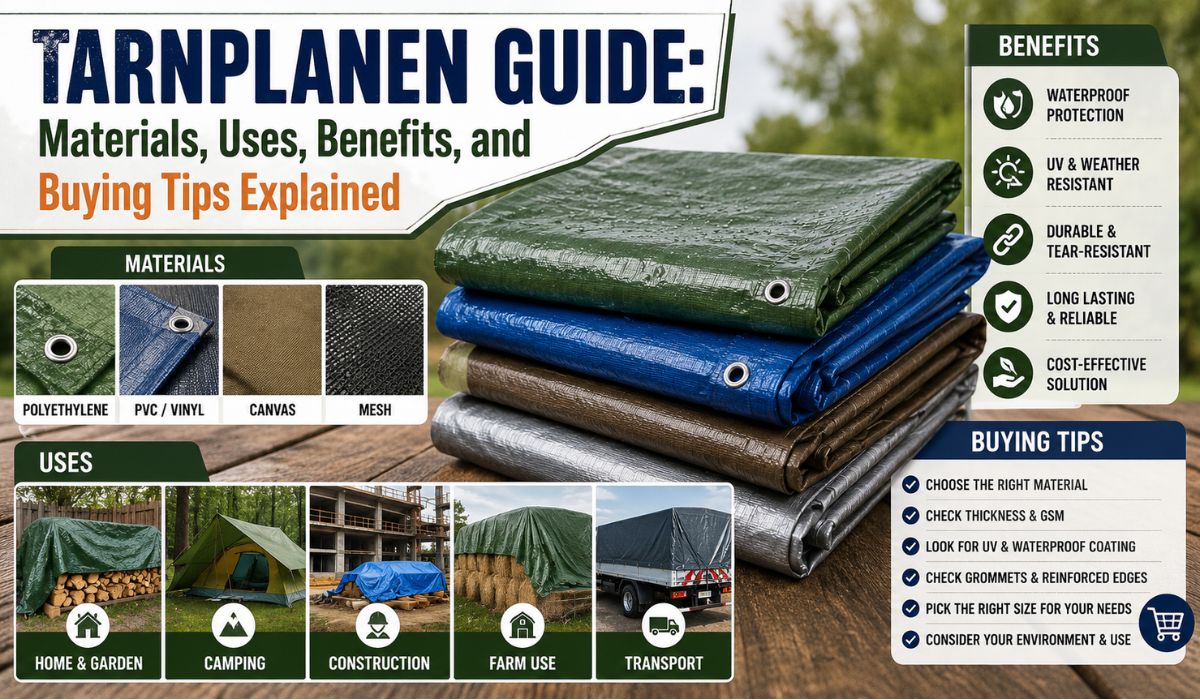
Tarnplanen are versatile protective covers used for shielding, covering, storing, transporting, and protecting items from weather, dust, moisture, sunlight, and outdoor wear. Although the word may sound specialized, Tarnplanen generally refers to tarpaulins or tarps, which are widely used in homes, farms, construction sites, camping areas, workshops, warehouses, and vehicle storage. A good Tarnplanen product can protect equipment, create temporary shelter, cover firewood, guard outdoor furniture, or keep tools dry during sudden rain. Because tarps come in different materials, thickness levels, sizes, coatings, and strengths, choosing the right one depends on how and where it will be used.
What Are Tarnplanen?
Tarnplanen are durable sheets made to cover and protect surfaces, objects, or outdoor spaces. They are often waterproof or water-resistant, and many are designed to handle sun exposure, wind, dirt, and rough handling. Some Tarnplanen are lightweight and easy to fold for quick jobs, while others are heavy-duty covers built for long-term outdoor use. The best option depends on the environment. A tarp for camping may need to be portable and easy to tie down, while a tarp for construction may need stronger tear resistance, reinforced edges, and reliable weather protection.
Common Tarnplanen Materials
The most common Tarnplanen materials include polyethylene, PVC vinyl, canvas, and mesh. Polyethylene tarps are popular because they are lightweight, affordable, waterproof, and simple to handle. PVC tarps are usually stronger, heavier, and better for industrial or long-term outdoor use. Canvas tarps offer breathability, which helps reduce trapped moisture, making them useful for certain storage needs. Mesh tarps allow airflow and shade, so they are helpful for fencing, patios, landscaping, and areas where wind pressure needs to pass through instead of pulling against the cover.
Polyethylene Tarnplanen
Polyethylene Tarnplanen are a practical choice for everyday protection. They are commonly used for covering garden furniture, woodpiles, tools, grills, small boats, trailers, and temporary work areas. Their main advantage is convenience. They are usually lighter than vinyl or canvas, easy to move, and available in many sizes. For homeowners, campers, and DIY users, polyethylene tarps often provide the right balance of price and performance. However, cheaper versions may wear faster under strong sunlight, repeated folding, or heavy wind, so reinforced hems and UV resistance matter when buying.
PVC and Vinyl Tarnplanen
PVC or vinyl Tarnplanen are designed for tougher jobs. They are often chosen for trucking, construction, machinery covers, commercial storage, farm use, and long-term outdoor protection. These tarps are generally heavier, stronger, and more resistant to abrasion than basic polyethylene options. Many vinyl tarps also perform well in wet conditions because they provide strong waterproof coverage. The tradeoff is weight and cost. A PVC tarp may be harder to fold, carry, and store, but it can be a smarter investment when durability is more important than portability.
Canvas and Mesh Tarnplanen
Canvas Tarnplanen are valued for their breathable structure. Unlike fully plastic covers, canvas can reduce condensation buildup when covering certain equipment, tools, or stored goods. Treated canvas may offer water resistance, but buyers should remember that not all canvas is fully waterproof. Mesh Tarnplanen serve a different purpose. They are not meant for complete rain protection, but they are excellent for shade, privacy screens, debris control, and wind-friendly coverage. For example, a mesh tarp can cover a patio, protect plants from harsh sun, or help contain materials on a trailer.
Main Uses of Tarnplanen
Tarnplanen are useful in many everyday and professional settings. Around the home, they can cover patio furniture, protect firewood, shield outdoor tools, or create a temporary roof during repairs. In camping, they can work as ground sheets, rain flies, shade covers, or emergency shelters. On farms, Tarnplanen can cover hay, machinery, feed, and supplies. In construction, they help protect building materials, unfinished surfaces, scaffolding, and work zones. Their value comes from flexibility: one well-chosen tarp can solve many protection problems without requiring a permanent structure.
Key Benefits of Tarnplanen
The biggest benefit of Tarnplanen is protection. They help guard items from rain, snow, dirt, dust, UV rays, bird droppings, leaves, and accidental scratches. They also help reduce replacement costs by extending the life of outdoor equipment and stored materials. Another benefit is portability. Unlike permanent covers, tarps can be folded, moved, tied, adjusted, and reused. They are also cost-effective because they offer quick coverage without construction work. Whether someone needs a short-term rain cover or a strong long-term protective sheet, Tarnplanen offer flexible value.
How to Choose the Right Tarnplanen Size
Size is one of the most important buying factors. A tarp that is too small will leave edges exposed, while one that is too large may flap in the wind or collect water. Before buying Tarnplanen, measure the item or area you need to cover and allow extra material for overlap, tie-down points, and slope. For outdoor covers, the tarp should not sit flat where water can pool. A slight angle helps rain run off. For vehicles, trailers, or firewood, choose a size that covers the top and sides without dragging excessively on the ground.
Thickness, Weight, and Strength
Tarnplanen are often compared by thickness, weight, and durability. Lightweight tarps are easier to carry and good for temporary use, but they may not last as long in rough weather. Medium-duty tarps are better for regular home and garden tasks. Heavy-duty tarps are stronger and better for construction, farming, vehicles, and long-term storage. Look for details such as GSM, mil thickness, reinforced corners, rope-reinforced hems, tear resistance, and rust-resistant grommets. These small features often determine whether a tarp lasts for one season or several years.
Waterproofing and Weather Resistance
Not every tarp performs the same in rain, sun, wind, or snow. Waterproof Tarnplanen are best for keeping items dry, while water-resistant tarps may handle light moisture but not long exposure to heavy rain. UV-resistant tarps are important for sunny climates because sunlight can weaken low-quality materials over time. Wind resistance depends on proper tie-downs, strong grommets, and smart installation. A tarp should be secured tightly but not stretched so hard that the corners tear. For harsh outdoor conditions, choose a reinforced, UV-treated, waterproof tarp with strong seams.
Buying Tips for Tarnplanen
When buying Tarnplanen, start with the purpose instead of the price. Ask what you need the tarp to do: block rain, provide shade, cover equipment, protect a vehicle, or create shelter. For short-term jobs, a lightweight polyethylene tarp may be enough. For repeated outdoor use, choose a medium or heavy-duty option. For industrial protection, PVC or vinyl may be better. Check grommet spacing, corner reinforcement, hem quality, waterproof rating, UV protection, and ease of cleaning. A slightly higher-quality tarp can save money if it lasts longer and performs better.
Care and Maintenance Tips
Proper care helps Tarnplanen last longer. Always clean dirt, leaves, and standing water from the surface before folding the tarp. Let it dry completely before storage to reduce mildew, odor, and material damage. Avoid dragging tarps over sharp rocks, nails, rough concrete, or metal edges. When tying down a tarp, use every available support point instead of putting all the stress on one corner. Store it in a dry, shaded place when not in use. Small tears should be repaired quickly with tarp tape or patch kits before they spread.
Final Thoughts
Tarnplanen are simple products, but the right choice can make a major difference in protection, safety, and long-term value. The best tarp is not always the thickest or most expensive one; it is the one that fits the job. Polyethylene is great for light and everyday use, PVC and vinyl are better for heavy-duty protection, canvas works well when breathability matters, and mesh is useful for shade and airflow. By checking material, size, thickness, waterproofing, UV resistance, hems, and grommets, buyers can choose Tarnplanen that perform well and last longer.
Frequently Asked Questions (FAQs)
1. What are Tarnplanen used for?
Tarnplanen are used to cover, protect, and secure items from weather, dirt, sunlight, and moisture. They are helpful for camping, storage, construction, farming, vehicle protection, and home outdoor use.
2. Are Tarnplanen waterproof?
Many Tarnplanen are waterproof, especially polyethylene, PVC, and vinyl options. However, some canvas and mesh tarps may only be water-resistant or designed mainly for breathability and shade.
3. Which Tarnplanen material is best?
The best material depends on the job. Polyethylene is good for lightweight everyday use, PVC is better for heavy-duty protection, canvas is useful for breathable storage, and mesh works well for shade and airflow.
4. How do I choose the right size Tarnplanen?
Measure the item or area you want to cover and add extra material for overlap and tie-down points. A good fit should cover the object fully without excessive loose fabric that can flap in the wind.
5. Are heavy-duty Tarnplanen worth buying?
Heavy-duty Tarnplanen are worth buying when you need long-term outdoor protection, stronger tear resistance, and better weather performance. They usually cost more but can last longer than thin budget tarps.
6. Can Tarnplanen be used for camping?
Yes, Tarnplanen are very useful for camping. They can serve as rain covers, ground sheets, shade shelters, wind barriers, and emergency protection for tents, gear, and cooking areas.
7. How can I make Tarnplanen last longer?
Keep the tarp clean, dry it before storage, avoid sharp surfaces, secure it properly, and repair small tears quickly. Storing it away from direct sunlight when not in use also helps extend its lifespan.
8. What features should I check before buying Tarnplanen?
Check the material, thickness, size, waterproofing, UV resistance, reinforced hems, strong corners, and rust-resistant grommets. These features help determine how well the tarp will perform in real conditions.
For You: Jackson Blue McDermott and Maria Bello: A Look at Their Close Relationship


William Givens Jensen Biography: Family, Career, and Connection to Robin Givens

Who Is Noelle Inguagiato? Everything to Know About Jesse Watters’ Ex-Wife

Mallory Plotnik: Her Life, Family, and Marriage to Phil Wickham

MobilesRus Services: Devices, Accessories, Repairs, and More

Calamariere Explained: Complete Guide to Taste, Cooking, and Serving Ideas

AgentCarrot ATX Bogus Review: Meaning, Risks, and Online Truth

Severna Dakota Lifestyle Trends: Nature, Small Towns, and Local Charm

185.63.253.300 Safety Check: Risks, Errors, and Technical Explanation

What Is Voozon? Complete Guide to This Digital Content Platform

Health Threetrees Com VN Explained for Beginners Seeking Better Health
William Givens Jensen Biography: Family, Career, and Connection to Robin Givens
Who Is Noelle Inguagiato? Everything to Know About Jesse Watters’ Ex-Wife
Mallory Plotnik: Her Life, Family, and Marriage to Phil Wickham
MobilesRus Services: Devices, Accessories, Repairs, and More
Calamariere Explained: Complete Guide to Taste, Cooking, and Serving Ideas
AgentCarrot ATX Bogus Review: Meaning, Risks, and Online Truth
Severna Dakota Lifestyle Trends: Nature, Small Towns, and Local Charm
185.63.253.300 Safety Check: Risks, Errors, and Technical Explanation
What Is Voozon? Complete Guide to This Digital Content Platform
Health Threetrees Com VN Explained for Beginners Seeking Better Health
-

 Celebrity4 months ago
Who Is Natalie Oglesby Skalla? The Untold Story of Frank Sinatra Jr.’s Daughter
-

 Celebrity4 months ago
The Untold Story of Jessica Isabel Rowling Arantes and Her Famous Mother J. K. Rowling
-
 Health4 months ago
Health Threetrees Com VN Explained for Beginners Seeking Better Health
-

 Celebrity4 months ago
Grace Anne Matthews’ Story: Growing Up as Dave Matthews’ Daughter