
Blog
Why ABS Testauslösung Matters for Accurate Automotive Brake System Checks

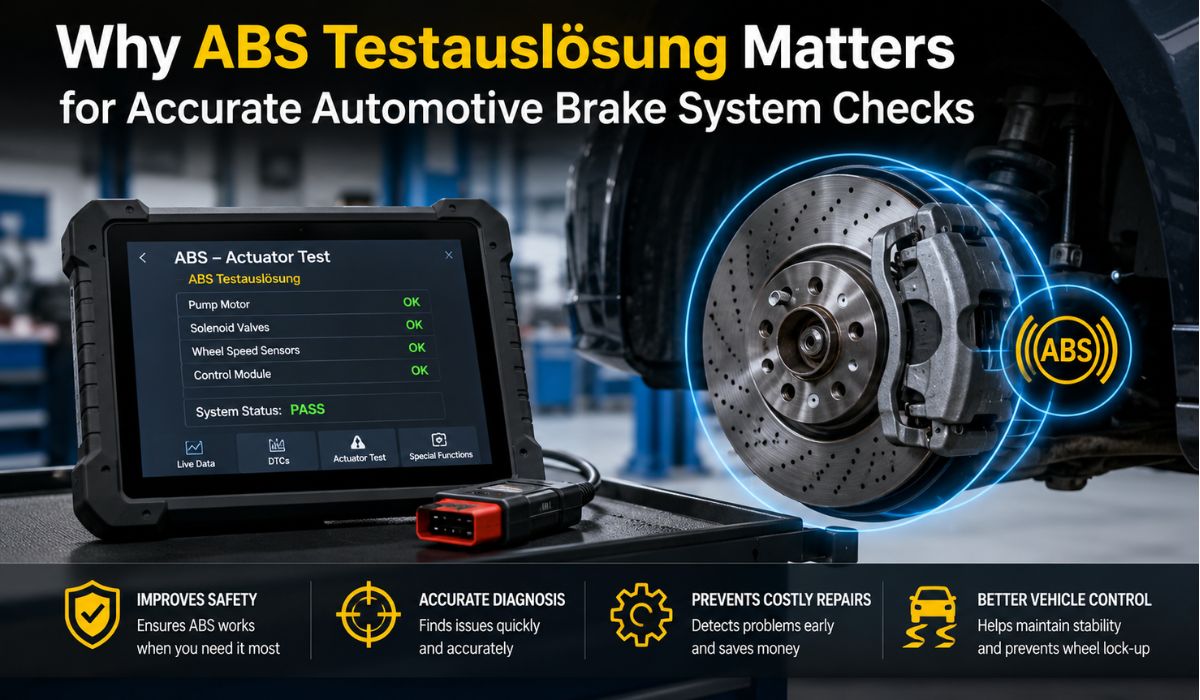
ABS Testauslösung is an important part of modern brake diagnostics because it helps confirm whether the anti-lock braking system can respond correctly when wheel lockup risk appears. In simple terms, the phrase refers to triggering or activating an ABS test function during vehicle inspection, workshop diagnostics, or electronic brake system checks. For drivers, this may sound highly technical, but the idea is simple: a technician uses diagnostic tools or controlled procedures to verify that the ABS sensors, hydraulic control unit, pump motor, valves, and electronic control module are communicating and reacting as they should. Since ABS is designed to help maintain steering control during hard braking, testing it properly is not just about clearing dashboard warning lights. It is about confirming that the vehicle can handle emergency braking situations with stability, traction, and predictable brake pressure.
What ABS Testauslösung Means in Brake Diagnostics
ABS Testauslösung can be understood as the controlled activation of ABS-related components during a diagnostic process. In many repair environments, a scan tool communicates with the vehicle’s ABS module and commands certain parts of the system to operate. This may include cycling solenoid valves, activating the hydraulic pump, checking wheel speed sensor signals, or confirming that the ABS control unit responds to test commands. The purpose is not to create a dangerous road situation but to safely simulate or trigger system behavior so faults can be identified before the vehicle returns to daily driving.
This type of ABS testing is especially useful because many anti-lock brake problems do not appear during normal, gentle braking. A car may stop smoothly in city traffic but still have a weak wheel speed sensor, a faulty tone ring, a sticking hydraulic valve, low voltage supply, or stored ABS fault code. Without proper ABS Testauslösung, a technician may only inspect the visible brake parts and miss electronic or hydraulic issues hidden inside the system.
Why ABS Testing Matters for Vehicle Safety
The anti-lock braking system works with the regular braking system to help reduce wheel lockup during sudden braking. When wheels lock, the tires can lose traction and the driver may lose steering control. ABS helps by rapidly adjusting brake pressure so the wheels keep rotating instead of sliding. That is why a working ABS system can make a major difference when a driver brakes hard on wet pavement, uneven roads, or during an unexpected traffic event.
ABS Testauslösung matters because safety systems should not be trusted only because the dashboard light is off. A warning light is useful, but it is not the full story. Accurate automotive brake system checks require active testing, live data review, visual inspection, and fault-code analysis. When these steps are combined, the technician gets a clearer picture of whether the ABS can react under pressure, whether each wheel sensor reports correctly, and whether the hydraulic unit can adjust brake pressure as designed.
Key Components Checked During ABS Testauslösung
A complete ABS diagnostic check usually focuses on several connected parts. Wheel speed sensors are among the most important because they tell the ABS control module how fast each wheel is rotating. If one sensor gives an incorrect reading, the module may think a wheel is locking when it is not, or it may fail to recognize a real lockup condition. Sensor wiring, connectors, corrosion, damaged reluctor rings, and poor mounting positions can all affect signal quality.
The hydraulic control unit is another major area. It contains valves and pump components that manage brake pressure during ABS operation. During ABS Testauslösung, a diagnostic tool may command these valves to open and close, helping the technician hear, feel, or measure whether the unit responds. The ABS control module, brake fluid condition, battery voltage, fuse supply, and ground circuits may also be checked because electronic brake systems depend on stable power and clean communication.
How ABS Testauslösung Helps Find Hidden Brake Problems
Many brake issues are easy to see, such as worn pads, damaged rotors, leaking calipers, or low brake fluid. ABS faults are different because they often live in the electronic side of the braking system. A vehicle may have normal pedal feel but still store codes for intermittent wheel speed loss, communication failure, pump motor malfunction, or internal module trouble. ABS Testauslösung helps uncover these problems by forcing the system to respond under controlled diagnostic conditions.
For example, if a technician activates an ABS pump through a scan tool and the pump does not respond, the issue may involve the pump motor, relay, fuse, wiring, or ABS module. If a valve activation test fails, the problem may be inside the hydraulic modulator. If live data shows one wheel speed dropping to zero while the vehicle is moving, the cause may be a damaged sensor or tone ring. This level of testing prevents guesswork and supports more accurate brake repair decisions.
ABS Warning Lights and Diagnostic Trouble Codes
When the ABS warning light appears on the dashboard, it means the system has detected a fault that needs attention. In many vehicles, the standard hydraulic brakes may still work, but the anti-lock function could be disabled until the problem is fixed. That is why drivers should not ignore the ABS light, especially if it appears with traction control, stability control, brake warning, or electronic brake assist messages.
Diagnostic trouble codes help narrow the search, but codes alone do not always prove which part is bad. A code for a wheel speed sensor circuit may be caused by the sensor itself, broken wiring, corrosion in the connector, a damaged wheel bearing, or even debris near the sensor ring. ABS Testauslösung adds another layer of confirmation. Instead of replacing parts based only on a code, a technician can test system response and compare scan-tool data with real brake behavior.
The Role of Scan Tools in ABS Testauslösung
Professional scan tools are central to accurate ABS testing. Basic code readers may only show engine-related faults, while advanced diagnostic tools can communicate with the ABS module, display live wheel speed data, run actuator tests, perform brake bleeding procedures, and clear ABS codes after repairs. In modern vehicles, ABS is often connected with traction control, electronic stability control, adaptive cruise features, and automatic emergency braking support, so deeper diagnostic access is often necessary.
A scan tool can help a technician command specific ABS functions without driving the vehicle aggressively. This controlled approach improves safety and accuracy. It also helps after certain repairs, such as replacing an ABS hydraulic unit, wheel speed sensor, brake master cylinder, or brake fluid. Some vehicles require scan-tool-assisted ABS bleeding because air can become trapped inside the hydraulic modulator. Without activating the ABS valves during bleeding, the pedal may remain soft even after a normal brake bleed.
Why Accurate ABS Checks Prevent Misdiagnosis
Misdiagnosis is one of the biggest problems in brake system repair. Replacing a wheel speed sensor when the real issue is a broken wire wastes money. Installing a new ABS module when the actual problem is low battery voltage or a poor ground can create frustration and unnecessary cost. ABS Testauslösung reduces these risks because it gives the technician more evidence before recommending parts or repairs.
Accurate testing also protects the reputation of repair shops. Customers want clear answers, not repeated visits for the same warning light. When a shop performs a proper ABS inspection, explains the findings, and confirms the repair with a final test, the customer gains confidence. For the driver, this means better braking reliability. For the technician, it means fewer comebacks and a more professional diagnostic process.
ABS Testauslösung and Brake Fluid Service
ABS testing is closely connected to brake fluid condition. Brake fluid absorbs moisture over time, and contaminated fluid can affect hydraulic performance, internal corrosion, and pedal feel. Since the ABS hydraulic control unit contains small valves and passages, dirty or moisture-heavy fluid can contribute to sticking, slow response, or long-term system damage. That is why brake fluid inspection should be part of a complete ABS system check.
During some brake services, technicians may use ABS Testauslösung to cycle the hydraulic modulator and move old fluid out of internal ABS passages. This can be especially important after major brake repairs or when air has entered the system. A normal brake bleed may refresh fluid at the calipers, but scan-tool-assisted activation can help service the deeper hydraulic areas that are not always reached through basic bleeding.
When Drivers Should Request an ABS System Check
Drivers should ask for an ABS system check when the ABS warning light turns on, the brake pedal feels unusual, the vehicle skids more easily than expected, or traction control warnings appear. It is also wise to request a check after wheel bearing replacement, suspension work, brake hydraulic repairs, collision damage, or any service involving sensor wiring near the wheels. These repairs can affect ABS readings even when the brake pads and rotors look fine.
A driver may also notice ABS activation at low speeds on dry pavement. This can happen when a sensor sends a weak or incorrect signal, causing the system to think a wheel is locking. Another warning sign is inconsistent braking on wet roads or a pulsing pedal when conditions do not justify ABS activation. These symptoms should be inspected by a qualified technician using proper diagnostic equipment.
Best Practices for Accurate Automotive Brake System Checks
A strong ABS inspection should begin with a full customer complaint review. The technician should ask when the warning light appears, whether it happens during braking, turning, wet weather, highway driving, or after recent repairs. Then comes a visual inspection of brake pads, rotors, fluid level, wiring, connectors, wheel bearings, and sensor mounting areas. After that, scan-tool diagnostics can identify stored and pending codes.
The best process combines live data, actuator testing, road testing when safe, and final verification after repair. ABS Testauslösung should never be treated as a shortcut. It works best as part of a complete brake diagnostic plan. The goal is to confirm the cause, repair it correctly, clear the codes, and make sure the system responds normally afterward. That careful approach supports both safety and long-term reliability.
Common Mistakes During ABS Testing
One common mistake is clearing ABS codes before recording them. Once codes are erased, valuable diagnostic clues may be lost. Another mistake is replacing parts without checking wiring, connectors, battery condition, and ground circuits. ABS modules rely on clean electrical signals, so small voltage drops or corrosion can create symptoms that look like component failure.
Another issue is ignoring manufacturer-specific procedures. Different vehicles may require different ABS bleeding steps, calibration routines, or scan-tool functions. Some systems are sensitive to tire size differences, wheel bearing quality, or sensor air gaps. Using generic assumptions can lead to wrong conclusions. A careful technician follows service information, uses the correct tools, and verifies the repair with a complete ABS function check.
Final Thoughts
ABS Testauslösung matters because modern braking systems are no longer purely mechanical. They combine hydraulic force, electronic control, wheel speed monitoring, and safety logic to help drivers maintain control during emergency braking. A simple visual brake inspection is still important, but it cannot confirm everything happening inside the ABS module, pump, valves, sensors, and wiring network.
For U.S. drivers, the main takeaway is simple: do not ignore ABS warning lights, unusual brake behavior, or repeated traction control messages. A proper ABS diagnostic check can reveal hidden problems before they become dangerous or expensive. For repair shops and technicians, ABS Testauslösung supports accurate testing, better repairs, and stronger customer trust. When performed correctly, it turns brake diagnostics from guesswork into a clear, evidence-based safety check.
Frequently Asked Questions (FAQs)
1. What does ABS Testauslösung mean?
ABS Testauslösung means triggering or activating ABS test functions during brake system diagnostics. It helps technicians confirm whether the ABS pump, valves, sensors, and control module respond correctly.
2. Is ABS Testauslösung the same as normal braking?
No, it is not the same as normal braking. Normal braking uses regular hydraulic pressure, while ABS Testauslösung checks specific anti-lock braking functions under controlled diagnostic conditions.
3. Why is ABS testing important?
ABS testing is important because the system helps prevent wheel lockup and supports steering control during hard braking. Testing confirms that the system can respond properly when emergency braking conditions occur.
4. Can I drive with the ABS light on?
Your regular brakes may still work, but the anti-lock function may be disabled. It is safer to have the vehicle inspected as soon as possible, especially if other brake or stability warning lights appear.
5. What parts are checked during an ABS diagnostic test?
Common parts include wheel speed sensors, sensor wiring, reluctor rings, ABS pump motor, hydraulic valves, brake fluid condition, fuses, grounds, and the ABS control module.
6. Does ABS Testauslösung require a professional scan tool?
In most cases, yes. Many ABS functions require an advanced diagnostic scan tool that can communicate with the ABS module and run actuator or bleed procedures.
7. Can ABS problems affect traction control?
Yes. ABS, traction control, and stability control often share sensors and control data. A wheel speed sensor fault, ABS module issue, or wiring problem can trigger multiple warning lights.
8. How often should ABS be checked?
ABS should be checked when warning lights appear, after related brake or wheel repairs, or during a full brake system inspection. It is also smart to check it before long trips if the vehicle has shown braking symptoms.
For You: Dashboard Anywhere Login Guide for Employees Accessing Work Tools Online

William Givens Jensen Biography: Family, Career, and Connection to Robin Givens

Who Is Noelle Inguagiato? Everything to Know About Jesse Watters’ Ex-Wife

Mallory Plotnik: Her Life, Family, and Marriage to Phil Wickham

MobilesRus Services: Devices, Accessories, Repairs, and More

Calamariere Explained: Complete Guide to Taste, Cooking, and Serving Ideas

AgentCarrot ATX Bogus Review: Meaning, Risks, and Online Truth

Severna Dakota Lifestyle Trends: Nature, Small Towns, and Local Charm

185.63.253.300 Safety Check: Risks, Errors, and Technical Explanation

What Is Voozon? Complete Guide to This Digital Content Platform

Health Threetrees Com VN Explained for Beginners Seeking Better Health
William Givens Jensen Biography: Family, Career, and Connection to Robin Givens
Who Is Noelle Inguagiato? Everything to Know About Jesse Watters’ Ex-Wife
Mallory Plotnik: Her Life, Family, and Marriage to Phil Wickham
MobilesRus Services: Devices, Accessories, Repairs, and More
Calamariere Explained: Complete Guide to Taste, Cooking, and Serving Ideas
AgentCarrot ATX Bogus Review: Meaning, Risks, and Online Truth
Severna Dakota Lifestyle Trends: Nature, Small Towns, and Local Charm
185.63.253.300 Safety Check: Risks, Errors, and Technical Explanation
What Is Voozon? Complete Guide to This Digital Content Platform
Health Threetrees Com VN Explained for Beginners Seeking Better Health
-

 Celebrity4 months ago
The Untold Story of Jessica Isabel Rowling Arantes and Her Famous Mother J. K. Rowling
-

 Celebrity4 months ago
Who Is Natalie Oglesby Skalla? The Untold Story of Frank Sinatra Jr.’s Daughter
-
 Health4 months ago
Health Threetrees Com VN Explained for Beginners Seeking Better Health
-

 Celebrity4 months ago
Grace Anne Matthews’ Story: Growing Up as Dave Matthews’ Daughter