Food
Calamariere Explained: Complete Guide to Taste, Cooking, and Serving Ideas

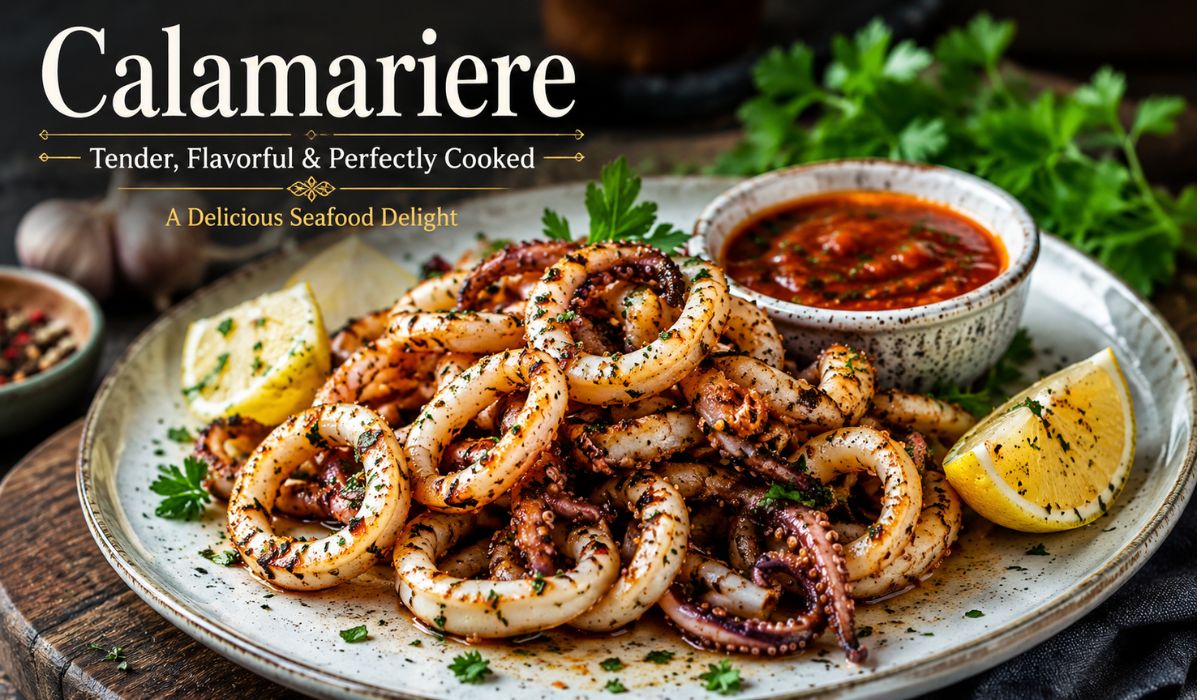
Calamariere is a food term many readers may discover while searching for calamari, squid recipes, seafood appetizers, or Mediterranean-style cooking ideas. While the word is not as widely established as “calamari,” it is best understood in a culinary context as a calamari-inspired seafood concept connected to tender squid, light seasoning, crispy textures, and fresh serving styles. For U.S. food lovers, Calamariere can be explored as a flavorful way to understand how squid is prepared, cooked, paired, and served in restaurants and home kitchens.
What Is Calamariere?
Calamariere refers to a calamari-style food idea centered on squid prepared for eating. In practical cooking terms, it can describe a dish, recipe style, or seafood preparation that uses squid rings, tentacles, or sliced squid as the main ingredient. The closest familiar comparison is calamari, which many Americans know as crispy fried squid served with marinara sauce, lemon wedges, or garlic aioli.
The value of understanding Calamariere is that it helps readers move beyond one basic fried appetizer. Squid can be fried, grilled, sautéed, stuffed, braised, or added to pasta, rice, salads, and seafood stews. When prepared correctly, it delivers a mild ocean flavor, a clean bite, and a texture that can be tender instead of rubbery.
Calamariere Taste and Texture
The taste of Calamariere is usually mild, slightly sweet, and lightly briny. It does not have the heavy “fishy” flavor some people expect from seafood. Fresh squid has a clean ocean taste that works well with lemon, garlic, parsley, chili flakes, olive oil, tomato sauce, herbs, and crisp coatings.
Texture is the most important part of any Calamariere dish. Properly cooked squid should be tender, springy, and easy to bite. Overcooked squid becomes chewy because its protein tightens quickly under heat. That is why many chefs either cook squid very fast over high heat or slowly in sauce until it softens again.
Why Calamariere Works Well in Food Articles
Calamariere is a strong food topic because it allows writers to cover meaning, seafood preparation, cooking techniques, flavor pairings, restaurant-style serving ideas, and beginner-friendly recipes in one article. It also connects naturally with easy-to-rank keywords such as calamari recipe, squid dish, fried calamari, seafood appetizer, grilled squid, crispy calamari, Mediterranean seafood, and how to cook squid.
For semantic SEO, the article should not repeat the focus keyword too heavily. Instead, it should build topical depth around squid, seafood cooking, dipping sauces, oil temperature, marinades, breading, tenderizing, restaurant appetizers, and healthy seafood meals. This makes the content more helpful for readers and easier for search engines to understand.
Best Ingredients for Calamariere
A good Calamariere dish starts with clean, fresh squid. You can use squid tubes, rings, tentacles, or a frozen cleaned option from a seafood market. Frozen squid is often convenient for home cooks, but it should be fully thawed, patted dry, and checked for excess moisture before cooking.
Common supporting ingredients include all-purpose flour, cornstarch, breadcrumbs, eggs, milk, buttermilk, lemon juice, garlic, paprika, black pepper, sea salt, parsley, olive oil, and neutral frying oil. For lighter versions, grilled or sautéed squid works beautifully with olive oil, fresh herbs, capers, cherry tomatoes, and a squeeze of lemon.
How to Cook Calamariere Without Making It Rubbery
The golden rule is simple: cook squid quickly or cook it slowly. For fried Calamariere, the squid should be cooked for only a short time until the coating turns golden and the seafood becomes opaque. Long frying makes it tough, dry, and less enjoyable.
For sautéed Calamariere, use a hot pan, a small amount of oil, and quick movement. Garlic, chili, and herbs can be added first, then the squid goes in for a brief cook. For stews or tomato-based sauces, squid can be simmered longer because slow cooking gives the proteins time to relax and become tender again.
Crispy Fried Calamariere Style
Crispy fried Calamariere is the most familiar version for many U.S. readers. The squid is usually sliced into rings, lightly seasoned, coated in flour or a flour-cornstarch mixture, and fried until crisp. The best results come from dry squid, hot oil, and small batches that do not crowd the pan.
A simple restaurant-style version can be made with flour, cornstarch, salt, pepper, paprika, garlic powder, and a short soak in milk or buttermilk. The coating should be light, not heavy. Serve it immediately with lemon wedges, marinara, spicy mayo, garlic aioli, or a bright herb sauce.
Grilled and Sautéed Calamariere Ideas
Grilled Calamariere is a great choice for readers who want a lighter seafood dish. Squid can be marinated with olive oil, lemon zest, garlic, parsley, and a pinch of red pepper flakes. A hot grill gives it light char, smoky flavor, and a clean finish that pairs well with salads, rice, or roasted vegetables.
Sautéed Calamariere is even faster. It works well with garlic butter, tomatoes, olives, capers, white beans, pasta, or fresh greens. This version feels more like a weeknight meal than a restaurant appetizer. It is flavorful, quick, and easy to customize with pantry ingredients.
Best Sauces and Pairings
Calamariere pairs best with sauces that add brightness, creaminess, or gentle heat. Lemon aioli, marinara sauce, spicy remoulade, garlic yogurt sauce, herb vinaigrette, and chili-lime mayo are all strong options. A good sauce should support the squid instead of covering its delicate flavor.
Side dishes can change the entire feel of the meal. Fried Calamariere works well with fries, slaw, salad, or toasted bread. Grilled versions pair nicely with couscous, rice pilaf, roasted potatoes, grilled vegetables, or a Mediterranean salad. For a fuller seafood dinner, serve it with shrimp, clams, pasta, or tomato-based seafood stew.
Serving Ideas for U.S. Home Cooks
For parties, Calamariere can be served as a shareable appetizer with two dipping sauces and lemon wedges. For dinner, it can become a seafood pasta with garlic, olive oil, tomatoes, parsley, and chili flakes. For a healthier meal, grilled squid over greens with avocado, cucumber, and citrus dressing is fresh and satisfying.
Presentation matters too. Serve crispy Calamariere on a warm plate or basket lined with parchment. Add fresh parsley, cracked pepper, and lemon wedges right before serving. For grilled or sautéed versions, use colorful vegetables and a drizzle of olive oil to make the dish look bright and restaurant-quality.
Common Mistakes to Avoid
The biggest mistake is overcooking. Squid cooks fast, and even one extra minute can change the texture. Another mistake is frying wet squid, which causes splattering and prevents the coating from becoming crisp. Always pat it dry before coating or cooking.
Crowding the pan is another common problem. If too much squid goes into the oil at once, the temperature drops and the coating turns greasy. Seasoning also matters. Squid is mild, so it needs salt, acid, herbs, and a balanced sauce to taste complete.
Final Thoughts
Calamariere is best understood as a calamari-inspired seafood topic that opens the door to many delicious cooking ideas. Whether fried, grilled, sautéed, or served with pasta, it highlights the mild flavor and tender texture of squid when handled correctly.
For food bloggers and home cooks, Calamariere offers excellent SEO potential because it connects with seafood recipes, cooking tips, restaurant-style appetizers, and beginner-friendly meal ideas. With the right preparation, simple ingredients, and smart serving choices, Calamariere can become a flavorful and memorable seafood dish.
Frequently Asked Questions (FAQs)
1. What does Calamariere mean in food?
Calamariere is best used as a calamari-style food term connected to squid dishes and seafood preparation. It is not as common as “calamari,” but it can be explained through the same cooking ideas, flavors, and serving styles.
2. Is Calamariere the same as calamari?
Calamariere is closely related in meaning to calamari-style cooking, but calamari is the more recognized culinary word. Calamari usually refers to squid prepared as food, especially fried squid rings or tentacles.
3. What does Calamariere taste like?
Calamariere has a mild, slightly sweet, and lightly briny seafood flavor. It tastes best with lemon, garlic, herbs, tomato sauce, chili, or creamy dipping sauces.
4. Why does squid become rubbery?
Squid becomes rubbery when it is cooked too long at the wrong temperature. The best method is to cook it very quickly over high heat or simmer it slowly until it becomes tender again.
5. What is the best way to cook Calamariere?
The best method depends on the style you want. Frying gives a crispy appetizer, grilling adds smoky flavor, sautéing creates a quick meal, and slow cooking works well in tomato sauce or seafood stew.
6. What sauces go well with Calamariere?
Lemon aioli, marinara, garlic butter, spicy mayo, herb vinaigrette, and chili-lime sauce all pair well. Bright and acidic sauces are especially good because they balance the richness of fried seafood.
7. Can Calamariere be healthy?
Yes, it can be healthy when grilled, sautéed, or lightly cooked with olive oil, vegetables, herbs, and lemon. Fried versions are richer, so they are better enjoyed as an occasional appetizer.
8. What should I serve with Calamariere?
You can serve it with salad, fries, rice, pasta, roasted vegetables, toasted bread, or seafood stew. For a fresh meal, pair grilled Calamariere with greens, citrus dressing, and a light grain side.
For You: AgentCarrot ATX Bogus Review: Meaning, Risks, and Online Truth


William Givens Jensen Biography: Family, Career, and Connection to Robin Givens

Who Is Noelle Inguagiato? Everything to Know About Jesse Watters’ Ex-Wife

Mallory Plotnik: Her Life, Family, and Marriage to Phil Wickham

MobilesRus Services: Devices, Accessories, Repairs, and More

Calamariere Explained: Complete Guide to Taste, Cooking, and Serving Ideas

AgentCarrot ATX Bogus Review: Meaning, Risks, and Online Truth

Severna Dakota Lifestyle Trends: Nature, Small Towns, and Local Charm

185.63.253.300 Safety Check: Risks, Errors, and Technical Explanation

What Is Voozon? Complete Guide to This Digital Content Platform

Health Threetrees Com VN Explained for Beginners Seeking Better Health
William Givens Jensen Biography: Family, Career, and Connection to Robin Givens
Who Is Noelle Inguagiato? Everything to Know About Jesse Watters’ Ex-Wife
Mallory Plotnik: Her Life, Family, and Marriage to Phil Wickham
MobilesRus Services: Devices, Accessories, Repairs, and More
Calamariere Explained: Complete Guide to Taste, Cooking, and Serving Ideas
AgentCarrot ATX Bogus Review: Meaning, Risks, and Online Truth
Severna Dakota Lifestyle Trends: Nature, Small Towns, and Local Charm
185.63.253.300 Safety Check: Risks, Errors, and Technical Explanation
What Is Voozon? Complete Guide to This Digital Content Platform
Health Threetrees Com VN Explained for Beginners Seeking Better Health
-

 Celebrity4 months ago
The Untold Story of Jessica Isabel Rowling Arantes and Her Famous Mother J. K. Rowling
-

 Celebrity4 months ago
Who Is Natalie Oglesby Skalla? The Untold Story of Frank Sinatra Jr.’s Daughter
-
 Health4 months ago
Health Threetrees Com VN Explained for Beginners Seeking Better Health
-

 Celebrity4 months ago
Grace Anne Matthews’ Story: Growing Up as Dave Matthews’ Daughter